
Plywood vs MDF vs HDHMR: Which is Best for Home Furniture in 2026?
Plywood vs MDF vs HDHMR: Which is Best for Home Furniture in 2026?
When building or renovating a home, one question quietly causes the most stress:
“Will my furniture actually last?”
Not just look good on handover day. Not just survive one monsoon. But genuinely last 10-15 years without swelling, sagging, or falling apart.
In Telangana and Andhra Pradesh, where humidity, heat, and seasonal moisture are real factors, choosing the right material isn’t just a technical decision. It’s financial protection.
So instead of marketing jargon, let’s break down plywood, MDF, and HDHMR in simple, practical terms, what they are, where they work, and where they don’t.
No hype. Just clarity.
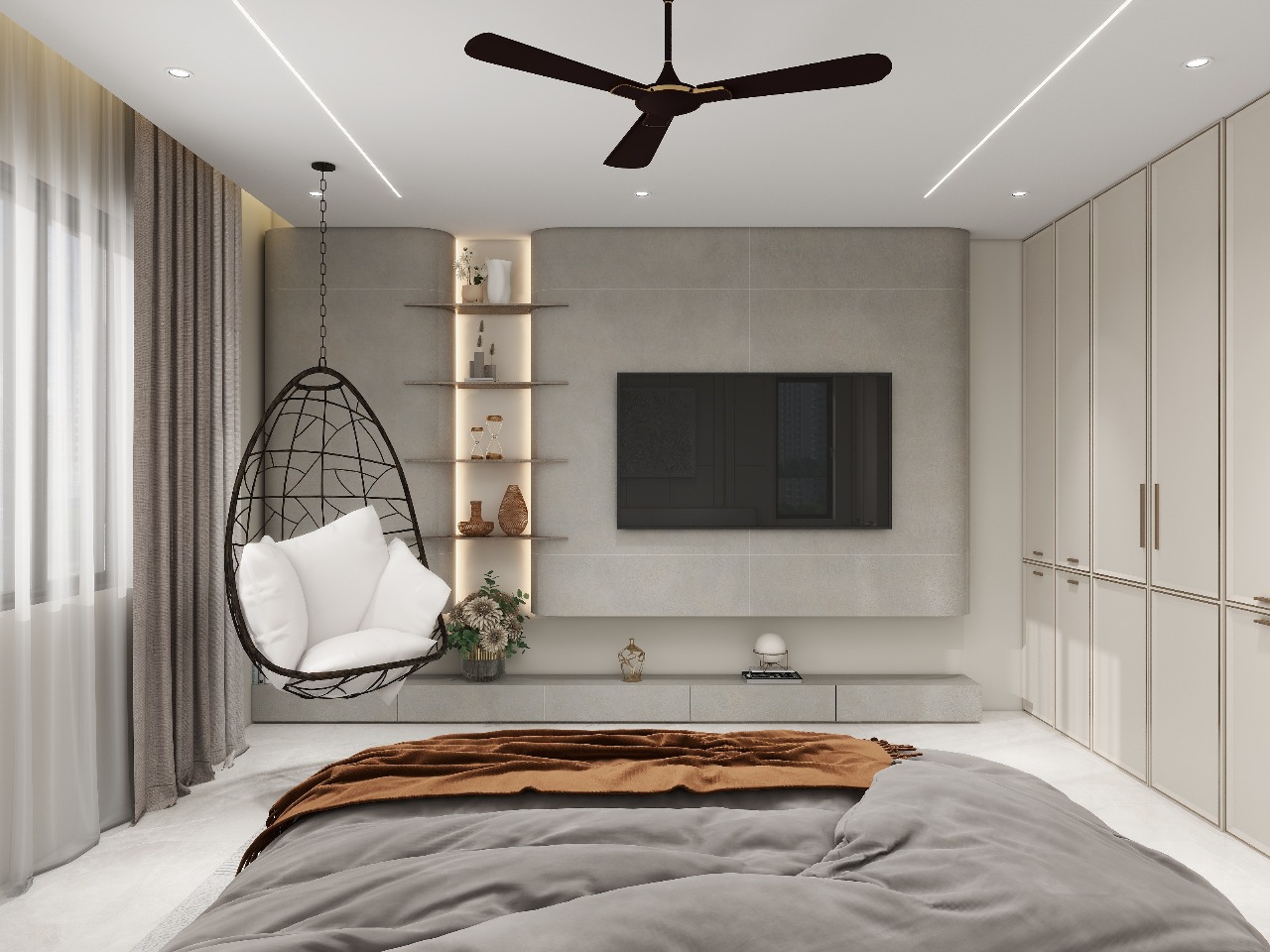
Excerpt Introduction : Choosing the right material for your home furniture can feel like walking into a maze, plywood, MDF, HDHMR… What's the difference anyway? Each option has its strengths, weaknesses, and ideal use cases. In this guide, we’ll break it all down in plain English so you can make a smart, budget-friendly, and long-lasting choice for your home.
Why does this decision matter more than you think?
Furniture isn’t cheap. And replacing it? Even more expensive.
When wrong materials are used:
- Kitchen cabinets swell
- Wardrobe shutters bend
- Laminates peel
- Screws loosen
- Edges chip
And the frustrating part?
Most of this doesn’t happen immediately. It shows up after 1-3 years.
That’s why understanding material basics helps you avoid regret later.
What exactly is “Plywood”?
Plywood is made by gluing thin layers of natural wood veneer together. Each layer is placed perpendicular to the next. That cross-layering gives it strength.
Think of it as engineered strength from real wood.
Why it’s popular:
- Strong load-bearing capacity
- Good screw-holding strength
- Handles humidity better than most boards
- Long lifespan when sealed properly
There are different types:
- Commercial plywood
- Marine plywood (higher moisture resistance)
In humid regions like coastal Andhra or monsoon-heavy parts of Telangana, marine plywood is commonly preferred for kitchens.
Where Plywood works best:
- Kitchen base cabinets
- Wardrobe internal structure
- Bathroom vanities
- Heavy storage units
If durability is your top priority, plywood remains one of the safest choices.
What is MDF?
MDF (Medium Density Fiberboard) is made from wood fibers compressed with resin under high pressure.
It has a smooth, uniform surface, almost flawless.
That’s why it’s often used where a clean, painted finish is needed.
Why People Choose MDF
- Budget-friendly
- Smooth surface for paint
- Easy to cut and shape
- Good for decorative designs
But here’s the limitation:
MDF doesn’t handle moisture well.
If exposed to water repeatedly, it can swell and lose strength.
Where does MDF work safely?
- TV unit back panels
- Decorative wall paneling
- Painted shutters (when sealed well)
- Low-moisture areas
Where to avoid it?
- Kitchen base cabinets
- Bathroom storage
- Areas prone to water leakage
Used correctly, MDF performs well. Used in the wrong place, it fails quickly.
What Is HDHMR?
HDHMR stands for High Density High Moisture Resistant board.
It’s denser than MDF and more moisture-resistant. You can think of it as an upgraded version of MDF.
It’s become increasingly popular in modular furniture.
Why It’s Gaining Attention
- Higher density than MDF
- Better screw holding
- Improved moisture resistance
- More stable for shutters
But an important note:
“Moisture-resistant” doesn’t mean waterproof.
It handles humidity better than MDF, but prolonged water exposure can still cause damage.
Where HDHMR works well
- Wardrobe shutters
- Kitchen overhead cabinets
- Modular furniture units
- TV units
It often sits between MDF and plywood in both cost and durability.
Let’s be honest, these happen all the time.
Climate Matters: Telangana & Andhra Pradesh reality
Material performance depends heavily on the environment.
This region experiences:
- High summer temperatures
- Strong monsoons
- Humidity fluctuations
- Coastal moisture in certain districts
Moisture is the biggest enemy of wood-based furniture.
When water enters a board:
- It swells
- Laminates detach
- Edges bubble
- Structural strength reduces
For moisture-heavy areas like kitchens:
Marine Plywood > HDHMR > MDF
For dry decorative areas:
MDF can perform adequately.
Let’s talk about lifespan
This is what most homeowners really want to know.
Approximate durability when used correctly:
- Marine Plywood: 12-20 years
- Commercial Plywood: 8-15 years
- HDHMR: 7-12 years
- MDF: 5-10 years (in dry areas only)
These are general ranges, not guarantees.
Why?
Because longevity also depends on:
- Edge sealing
- Laminate quality
- Hardware strength
- Installation precision
- Water exposure
Material alone doesn’t decide lifespan, execution plays a huge role.
Price vs Value: The real comparison
MDF is usually the least expensive.
HDHMR sits in the middle.
Plywood, especially marine grade, costs more.
But here’s something worth thinking about:
If a cheaper board needs replacement in 4-5 years, the overall cost may exceed choosing a durable material initially.
Sometimes, paying slightly more upfront reduces long-term expenses.
It’s not about choosing the most expensive option.
It’s about choosing wisely for each area.
Best Material by Area (Simple Guide):
Kitchen:
- Base cabinets: Marine plywood
- Overhead cabinets: Plywood or HDHMR
- Shutters: HDHMR or MDF (if well-laminated)
Wardrobes:
- Internal structure: Plywood or HDHMR
- Shutters: HDHMR or MDF
TV Units:
- Structure: HDHMR or plywood
- Back panels & decorative parts: MDF works fine
Bathroom Vanities:
- Prefer marine plywood
- Avoid MDF
Common Misconceptions:
- “MDF is bad quality.” Not true. It’s just meant for specific applications.
- “HDHMR replaces plywood completely.” Not exactly. For high-moisture areas, plywood still performs better.
- “If it looks strong, it is strong.” Surface finish doesn’t determine core strength.
- “All plywood is the same.” There’s a major difference between commercial and marine plywood.
Knowing these distinctions prevents expensive mistakes.
So, which material is best?
There isn’t one universal answer.
The better question is:
Which material is best for this specific part of my home?
If durability in moisture-heavy zones is critical → Marine plywood.
If the budget is tight and the area is dry → MDF can work.
If you want a balance → HDHMR is a reasonable option.
Furniture is a long-term investment. Choosing material based on use, climate, and budget, not just price, leads to better outcomes.
When choosing between plywood, MDF, and HDHMR, focus on:
- Area of use
- Moisture exposure
- Load-bearing needs
- Budget flexibility
- Expected lifespan
Furniture failure usually isn’t sudden, it’s gradual. And most of it can be avoided with informed decisions at the beginning.
Understanding these materials doesn’t require technical expertise. Just basic awareness.
And that awareness protects both your home and your investment.
If you’re planning interiors, take time to ask the right questions. Clarify material specifications. Check thickness. Understand where each board is being used.
Because beautiful furniture is nice.
But furniture that still looks good years later? That’s peace of mind.
📞 Call Urban Spacing today to discuss your project.