
How to read interior drawings: A Homeowner’s Guide to plans, elevations & sections.
Designing your dream home in Telangana or Andhra Pradesh? Exciting, right? But then your designer sends you a set of interior drawings, and suddenly you’re staring at lines, arrows, symbols, and numbers that look like a secret code.
Sound familiar?
You’re not alone. Many homeowners feel overwhelmed when they first see plans, elevations, and sections. And here’s the truth: if you don’t understand the drawings, you can’t confidently approve them. That’s where doubt creeps in.
At Urban Spacing, we believe informed homeowners make better decisions. We don’t just design spaces, we educate you at every stage. Because when you understand your drawings, you’re not just a client. You’re a collaborator.
Let’s break it down in simple, clear language.
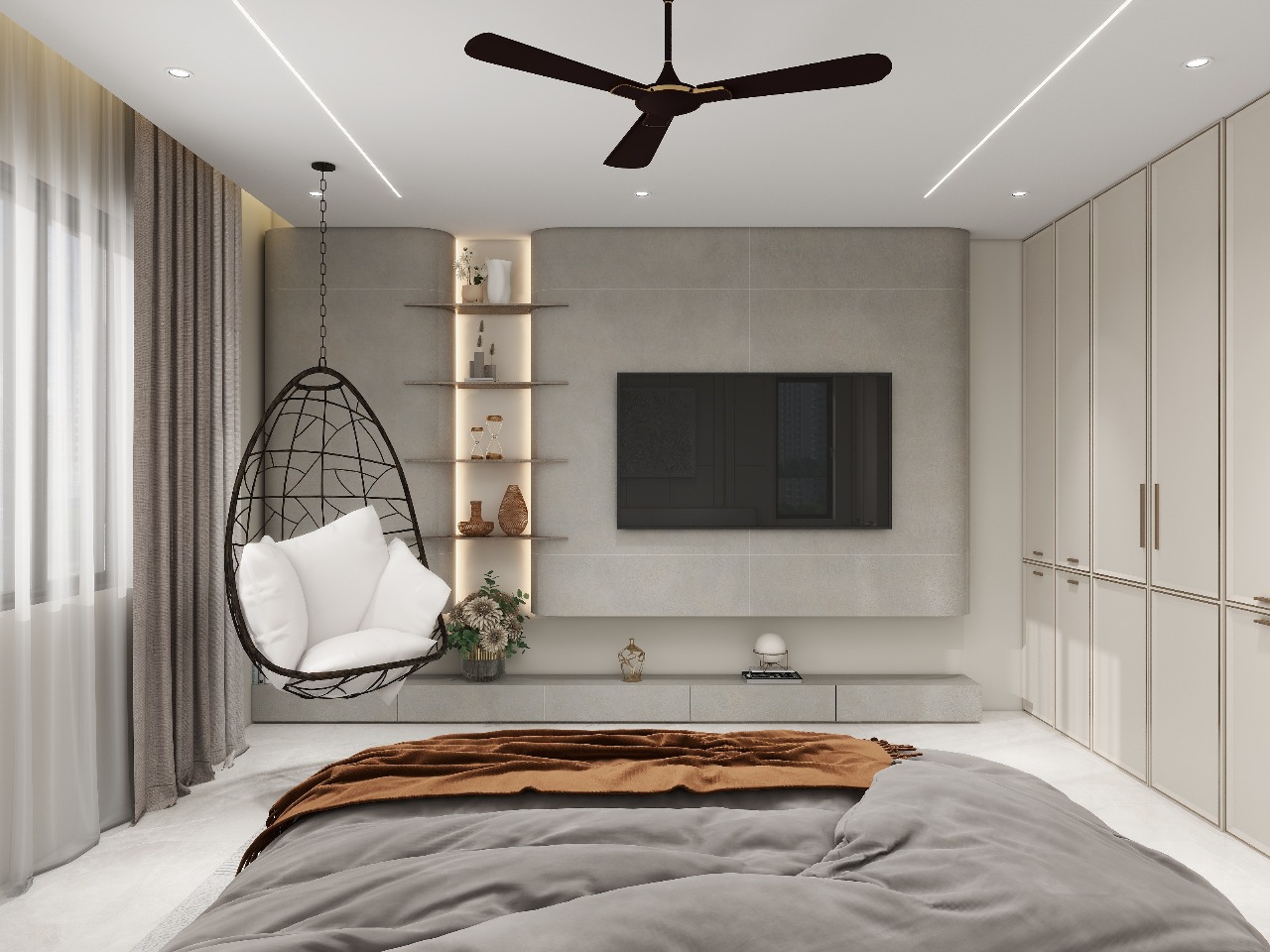
Excerpt Introduction: Interior drawings can feel overwhelming at first glance, but they don’t have to be. This practical guide breaks down plans, elevations, and sections in simple language so homeowners can feel confident, involved, and in control throughout their design journey.
Why interior drawings feel confusing (And why that’s normal)
Interior drawings are technical communication tools. They’re made to guide contractors, carpenters, electricians, and site supervisors.
But here’s the catch:
They’re not usually explained in homeowner-friendly language.Common pain points we see in Telangana & Andhra Pradesh homeowners:
- “Why does this look so flat?”
- “Where is the ceiling height shown?”
- “Why can’t I visualize my wardrobe properly?”
- “Will this actually look good in real life?”
- “What if I approve something I don’t fully understand?”
These concerns are valid. Your home is a major investment. You deserve clarity.
What are Interior drawings?
Interior drawings are detailed representations of how your space will look and function. They typically include:
- Floor Plans
- Elevations
- Sections
- Electrical Layouts
- False Ceiling Drawings
- Furniture Layouts
In this guide, we’ll focus on the big three: plans, elevations, and sections.
1. What is a Floor Plan?
A floor plan is a top-view drawing of your space, as if someone removed the roof and looked down from above.
Think of it like Google Maps, but for your home.
What you’ll see in a Floor Plan:
- Room layouts
- Door and window positions
- Furniture placements
- Wall thickness
- Dimensions (length and width)
How to read a Floor Plan step-by-step
1. Check the scale
Most drawings use a scale like 1:50 or 1:100.
This means 1 unit on paper equals 50 or 100 units in real life.
Don’t panic, you don’t need to calculate everything. But knowing it’s scaled helps you trust the proportions.
2. Look at Dimensions
Numbers next to walls show exact measurements. For example:
- 3000 mm = 10 feet approximately
- 1200 mm = 4 feet approximately
In Telangana and Andhra Pradesh, many clients think in feet, while drawings may show millimeters. Always ask your designer to clarify conversions.
3. Observe furniture placement
That sofa? It’s not random.
Designers use standard sizes to ensure:
- Walking space is comfortable
- Doors don’t clash with furniture
- Wardrobes open properly
If something looks tight on paper, it will feel tight in real life too.
2. What Are Elevations?
If the floor plan is a top view, an elevation is a front view.
Imagine standing in front of your TV unit or wardrobe. What you see directly in front of you, that’s an elevation.
What elevations show:
- Wardrobe designs
- TV unit detailing
- Kitchen cabinet layout
- Wall paneling
- Height measurements
- Material divisions
Why Elevations are Crucial?
This is where aesthetics come alive.
A plan tells you where something is.
An elevation tells you how it looks.
For example:
- Is your wardrobe 7 feet tall or touching the ceiling?
- Does the TV panel have grooves or plain laminate?
- How many drawers are below the countertop?
Without understanding elevations, homeowners often approve designs blindly, and regret it later.
3. What Are Sections?
Now here’s the one most people ignore: sections.
A section is like slicing your room vertically and looking at it from the side.
Think of cutting a cake and looking at the inside layers.
Sections Show:
- Ceiling heights
- False ceiling levels
- Cabinet depth
- Countertop thickness
- Internal shelf spacing
Sections answer practical questions like:
- Will my suitcase fit in the loft?
- Is the kitchen counter too high?
- How much headroom do I have under the false ceiling?
Sections are where functionality meets comfort.
Let’s be honest, these happen all the time.
Common mistakes homeowners make
1. Approving Without Fully Understanding
Never say “It’s fine” just because you feel awkward asking.
Ask. Clarify. Double-check.
2. Ignoring Dimensions
That extra 6 inches? It matters. Especially in compact urban apartments.
3. Focusing Only on 3D Images
3D renders look beautiful, but execution happens through technical drawings.
Plans and sections are what contractors follow.
4. Not Asking About Height
In many Telangana and Andhra homes, ceiling heights vary. Always check:
- False ceiling drop
- Wardrobe top gap
- Kitchen overhead cabinet height
How Urban Spacing makes it easy for you
At Urban Spacing, we believe clarity builds trust.
We don’t just send drawings and disappear.
Here’s how we involve homeowners:
1. Step-by-Step Drawing Explanation
We sit with you and walk through:
- Plan view
- Elevation details
- Section cuts
- Material specifications
No confusion.
2. Local Context Understanding
Homes in Hyderabad, Vijayawada, Visakhapatnam, and Nellore all have unique needs.
For example:
- High humidity areas need specific material planning
- Compact apartments need smarter storage
- Independent houses may have higher ceiling flexibility
We design accordingly.
3. Practical Site Alignment
What’s on paper must match site reality.
Our team ensures:
- Measurements are rechecked
- Execution matches approved drawings
- No surprises during installation
Why understanding drawings makes you a smarter homeowner
When you understand interior drawings:
- You avoid costly changes later
- You catch design issues early
- You feel confident approving decisions
- You communicate clearly with the team
- You protect your investment
And let’s be real, confidence feels good.
Your home in Telangana or Andhra Pradesh isn’t just a project, it’s your future space. Your HOME.
Understanding how to read interior drawings gives you control. It turns confusion into clarity. It transforms you from a passive buyer into an informed decision-maker.
At Urban Spacing, we work with serious homeowners who care about details, quality, and long-term value.
When you understand plans, elevations, and sections, you build smarter.
And when homeowners build smarter, beautiful homes follow.
If you’re planning your interiors and want a team that explains every line, every measurement, and every detail, Urban Spacing is here to guide you.
📞 Call Urban Spacing today and let’s design your home with clarity and confidence. Because we believe great design isn’t just about aesthetics. It’s about trust.